Irish Pub NYC Spots Known for Atmosphere and Tradition
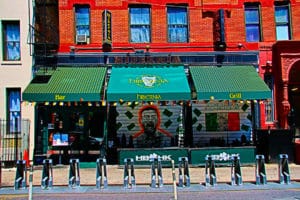
New York has never had trouble finding room for the Irish pub. That matters because a true Irish pub is not only a place to drink. It is a room with memory in it, a place where wood has darkened from decades of hands and weather, where regulars mark time by the bartender on duty, where a football match, a fiddle tune, and a wake can all belong under the same roof. In a city that reinvents itself block by block, the best Irish pub NYC addresses still trade on continuity.
That continuity shows up in different ways. Sometimes it is age. Sometimes it is family ownership, or a bar team that knows how to pour a proper Guinness and leave it alone long enough to settle. Sometimes it is subtler, found in the sound level, the lack of pretense, the right old mirror behind the bar, or the fact that the room still welcomes solo drinkers, neighborhood tradespeople, and office workers without making any one group feel out of place.
People often ask for the “best” Irish pub in New York, but that question misses how varied the category is. One person wants sawdust floors and history. Another wants music sessions and a warm meal. Another wants polished service, Irish whiskey depth, and a crowd that feels festive without tipping into chaos. The city can give you all three, but usually not in the same room. The real pleasure is knowing which pub fits the mood.
What gives an Irish pub real character in New York
The phrase “Irish pub” gets stretched in this city. Some places lean on shamrocks and green paint, then stop there. Others understand that atmosphere is built, not bought. A good room feels inhabited. You notice it in the spacing between stools, the wear on the foot rail, the pace of service, and the way conversations carry. If the music is live, it should lift the room rather than flatten it. If the television is on, it should not dominate every square inch of the bar.
Tradition does not require museum-quality preservation. In fact, some of the most satisfying Irish pubs in New York are lively, imperfect, and plainly commercial. What matters is whether the place has a center of gravity. Does it know what it is? Does the food make sense for the room? Does the staff move like they have done this for years, even if the bar itself is younger? Those are the details people remember.
Guinness is often the easiest test. Plenty of bars sell a lot of it. Fewer treat the pour with the care it deserves, serve it in clean glassware, and keep the line in proper condition. Whiskey selection can tell you something too, especially if the back bar goes beyond the standard labels without turning into a lecture. But atmosphere is not about inventory alone. Some great old pubs have modest lists and still feel more authentic than trendier spots with two hundred bottles.
McSorley’s Old Ale House, where history is the point
Any serious conversation about Irish pub NYC institutions starts with McSorley’s Old Ale House in the East Village. It is one of the oldest bars in New York, and unlike many old bars, it still feels old in a way that has not been sanitized for easy consumption. The floor, the memorabilia, the close-set tables, the crowded wooden room, all of it works together. People go because of the history, but they come back because the place has managed to stay stubbornly itself.
McSorley’s is not for everyone. The beer choice is famously narrow, light or dark house ale, served in pairs. If you want cocktails, polished whiskey service, or a long menu, look elsewhere. Yet that narrowness is part of the pub’s discipline. The room encourages you to settle into conversation rather than browse options. It is especially good for visitors who want to understand how an old New York saloon can still resist turning into a theme park.
The trade-off is predictability of comfort. It can be crowded, loud, and full of tourists, particularly on weekends. If you want the room at its best, an off-peak weekday visit is a smarter play. In those quieter hours, you can actually look around, notice the artifacts, and feel the weight of continuity that has kept the place in the city’s bloodstream for generations.
Molly’s Shebeen, a warm room with very little performance
Molly’s Shebeen in Gramercy is the kind of pub people mention with a slightly softened voice, as though they are trying not to give away a personal refuge. The old-school interior, complete with details that recall a more settled city, gives the room much of its charm. There is comfort here that never feels overdesigned. The glow is low, the food is substantial, and the room handles both dates and solo pints well.
This is where atmosphere beats novelty. Many bars can mimic “cozy” with dim lights and reclaimed wood. Molly’s feels convincing because it does not seem built for Instagram first. It feels built for return visits. Shepherd’s pie, a well-poured stout, and unhurried conversation make more sense here than loud celebration. If you have spent a day walking Manhattan in bad weather, this is one of those places where the door opens and your shoulders drop.
Tradition at Molly’s is less about grand history than consistency. That matters in New York, where restaurant groups and concept bars often burn bright, then disappear. A pub that can keep its tone over time, neither chasing fashion nor becoming stale, earns trust. This one has done that.
The Landmark Tavern, old New York on the far west side
The Landmark Tavern in Hell’s Kitchen does not always lead tourist guides, but it should be in the conversation for anyone chasing atmosphere and continuity. The building itself carries a sense of older Manhattan, and the pub benefits from that immediately. There is a directness to the place. You can eat seriously here, drink without fuss, and feel connected to a neighborhood rather than a nightlife circuit.
What sets Landmark apart is how naturally it straddles pub and restaurant. Some Irish bars in New York do one side well and treat the other as an obligation. Here, the food has enough weight that you can plan an evening around dinner and still feel you are in a proper pub afterward. That matters for mixed groups, especially when one person wants oysters or a composed plate and another just wants a pint and a sandwich.
The room rewards lingering. It feels especially right in colder months, when old wood and a substantial meal matter more than a flashy cocktail. There is a reason locals continue to defend places like this. They anchor a block.
Peter McManus Cafe, neighborhood loyalty you can feel
Peter McManus Cafe in Chelsea has the kind of reputation that cities cannot manufacture. Family ownership, long tenure, and a firm local following have given it the texture many bars spend years trying to fake. It reads first as a neighborhood tavern and only second as an “Irish pub” in the marketing sense, which is one reason it works so well.
The strongest pubs in New York often share that trait. They do not over-explain themselves. McManus is comfortable in its skin. You can drop in for a burger and a beer, watch the room shift as the evening develops, and understand quickly who comes here and why. The bar has enough warmth to make strangers feel welcome, but enough local identity to avoid becoming generic.
That balance is hard to maintain. Some places drift too far into tourist-land. Others become so territorial that newcomers sense they are intruding. McManus lands in the middle, which is rarer than it sounds. If your measure of tradition includes how a pub serves its own neighborhood over time, this belongs on the list.
The Dead Rabbit, tradition interpreted through polish
The Dead Rabbit in the Financial District occupies a different lane from the old saloons, yet it deserves mention because it proved something important about Irish hospitality in New York. Tradition does not need to mean dusty nostalgia. It can also mean taking the old pub ethic, warmth, storytelling, whiskey knowledge, food that holds up, and translating it into a sharper modern operation.
At its best, The Dead Rabbit offers a more dressed-up version of the Irish pub experience. The service tends to be brisk, the drinks thoughtful, and the energy higher than you will find in a place like Molly’s. It is a strong choice for visitors who want Irish roots and atmosphere but also care about cocktail standards. That wider appeal helped make it a destination.
There is, of course, a trade-off. A destination bar can feel less like a neighborhood living room. Depending on when you go, the room may skew busy, celebratory, and more international than local. That does not diminish the quality, but it changes the kind of tradition on offer. This is not the pub for hiding from the city. It is the pub for joining it.
Beyond Manhattan, where some of the city’s Irish pub life still feels most lived-in
The Irish pub story in New York is not limited to Manhattan, and anyone serious about the category should say that plainly. Queens and the Bronx, in particular, hold pubs with stronger neighborhood ties and less polished presentation. Woodside remains a touchstone for many New Yorkers looking for pubs linked more directly to Irish community life, everyday conversation, and a less performative sense of heritage.
That distinction matters. In central Manhattan, the pub can become a stage set for visitors, finance workers, or post-work crowds. In outer borough neighborhoods with longstanding https://penzu.com/p/6b4d5ff84827a57d Irish populations, the pub often still functions as a practical social room. The difference is not always visible from the sidewalk. You feel it in who is there at 4:30 on a weekday, in accents overheard at the bar, in whether the barman recognizes half the room, in whether the conversation pauses for racing results or county football.
A place like Donovan’s in Woodside, known as much for its burger as its barroom, shows how these identities overlap in New York. It may not fit every romantic idea of an Irish pub, but it reflects the way Irish and Irish American institutions actually adapted here, through food, neighborhood routine, and long relationships rather than pure nostalgia. That is tradition too.
Music, sport, and the fine line between lively and overdone
Many people seek an Irish pub for music or match-day energy, and New York certainly offers both. The challenge is that these features can either deepen atmosphere or crush it. A good pub knows the difference. Traditional live music should support the room, giving it pulse and memory. It should not make ordinary conversation impossible from the moment the first tune starts. The same goes for sports. A rugby match or Premier League game can animate the bar beautifully, but a wall of oversized screens can change the room’s entire purpose.
Experienced pub-goers learn to match timing to intent. If you want to hear yourself think, avoid major match windows and late Friday peaks. If you want communal energy, those same periods may be exactly right. There is no universal best time, only the right fit for the kind of evening you want.
One practical note that separates seasoned drinkers from disappointed first-timers is that atmosphere changes dramatically within the same pub over the course of a day. Noon, six o’clock, and ten o’clock can feel like three different businesses. A room that seems tourist-heavy at seven may become local again after the theater crowd clears. A pub that is hushed mid-afternoon may turn exuberant by night. Good judgment matters more than rankings.
How to choose the right Irish pub in NYC for the night you actually want
It helps to be specific with yourself before you go out. The best pub for a first date is rarely the best pub for a long catch-up with old friends, and neither is necessarily the right place to send visiting relatives who want “classic New York.” When people say a pub disappointed them, they often picked a room that was wrong for the occasion.
Here are a few useful filters:
- If you want history first, start with McSorley’s or Landmark.
- If you want comfort and conversation, Molly’s is hard to beat.
- If you want neighborhood texture, Peter McManus earns the trip.
- If you want a more polished destination experience, The Dead Rabbit fits.
- If you want community-rooted pub culture, look beyond Midtown and downtown.
That short list is not exhaustive, and it should not be. Part of the pleasure of New York is discovering the bar that suits your own habits better than the famous name does. But these distinctions save time and sharpen expectations.
Food still matters more than many drinkers admit
A pub that serves weak food loses credibility faster than many owners realize. In New York, where diners can choose from virtually any cuisine on the same block, an Irish pub cannot rely on sentiment alone. The kitchen does not need to be ambitious, but it should be dependable. Stew, fish and chips, soda bread, a roast, bangers and mash, a strong burger, these dishes anchor the room and extend the visit. They also shape the crowd. Good food keeps the pub multigenerational and broadens the reasons to come.
This is another reason some of the most durable pubs survive. They are not just drinking rooms. They are places where someone can come for dinner, stay for another round, then return a week later with different company and do it again. That repeat value is the backbone of tradition. A pub that cannot feed people decently often ends up chasing volume and novelty instead.
From experience, one of the clearest markers of a serious pub is whether the menu makes sense at 3 p.m. As well as 8 p.m. If it works in both moments, the place probably understands its role.
Service, regulars, and the invisible craft behind atmosphere
Atmosphere can look accidental from the customer side. It rarely is. Great pub service is a form of restraint. Staff should be alert without hovering, friendly without a script, efficient without hustling people through the room. In Irish pubs especially, tone matters. A barman who can greet a regular, settle a tab, joke with a newcomer, and keep the bar moving without fraying the mood is practicing a real craft.
Regulars also shape the room more than decor ever will. A pub with true regulars behaves differently. The conversation settles into the walls. Newcomers feel the room has a rhythm before they understand it. That is one reason some heavily designed bars never quite get there. You can import paneling and vintage signs, but you cannot buy a bar culture outright.
The best Irish pub NYC spots understand this instinctively. They leave space for repeat customers to feel ownership without making first-timers feel excluded. That is a subtle balance, and it is one of the main differences between a pub with atmosphere and a pub with props.
Why these places still matter in a city that changes so quickly
New York constantly asks what can survive rising rent, changing neighborhoods, and evolving nightlife habits. Irish pubs have endured not because they are frozen in time, but because the good ones meet basic human needs that never disappear. People still want a room that is welcoming without being saccharine, social without being demanding, and familiar without being dull.
The strongest pubs also preserve a piece of the city’s immigrant history without turning that history into a souvenir. The Irish contribution to New York is written into labor, politics, policing, music, parish life, and neighborhood identity. The pub, at its best, is where some of that history remains tactile. Not in a textbook sense, but in the way a room is run and remembered.
That is why the search for an Irish pub in New York is really a search for a certain kind of public life. You want a place that still understands how to gather people, feed them, pour for them, and let the night unfold at a human pace. The city still has those places. You just need to know what kind of tradition you are after, and to choose the room that carries it honestly.
Hibernia Bar
401 W 50th St
New York, NY 10019, United States
Phone: +1 212-969-9703
FAQ About Irish Pub NYC
What is the best Irish pub in NYC?
The best choice depends on your location and preferred atmosphere. Hibernia Bar is a neighborhood Irish pub in Hell's Kitchen offering Guinness, Irish whiskey, pub food, and sports viewing.
Where do Irish people go in NYC?
New York's Irish community gathers in many neighborhoods and venues. Hibernia Bar welcomes Irish expats, local residents, and visitors at 401 W 50th St, just off Ninth Avenue.
Where can I watch GAA games in New York?
Hibernia Bar lists GAA among the sports it shows. Call +1 212-969-9703 to confirm coverage and opening times for a particular match before visiting.
What is the difference between a bar and a sports bar?
A sports bar emphasizes televised games and a shared viewing atmosphere. Hibernia combines sports viewing with the food, drinks, and hospitality of a neighborhood Irish pub.