How to Enjoy Bar NYC Like a Local
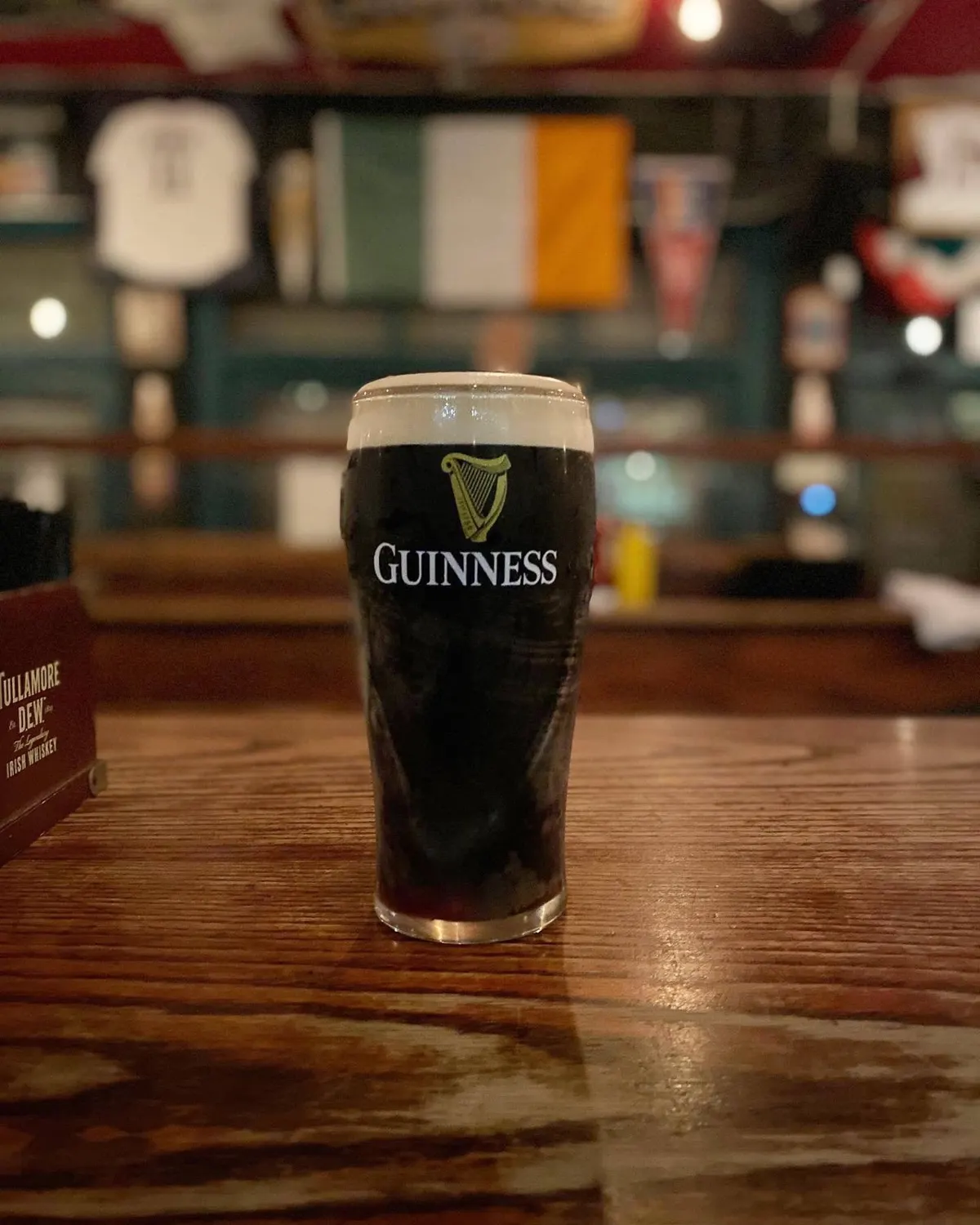
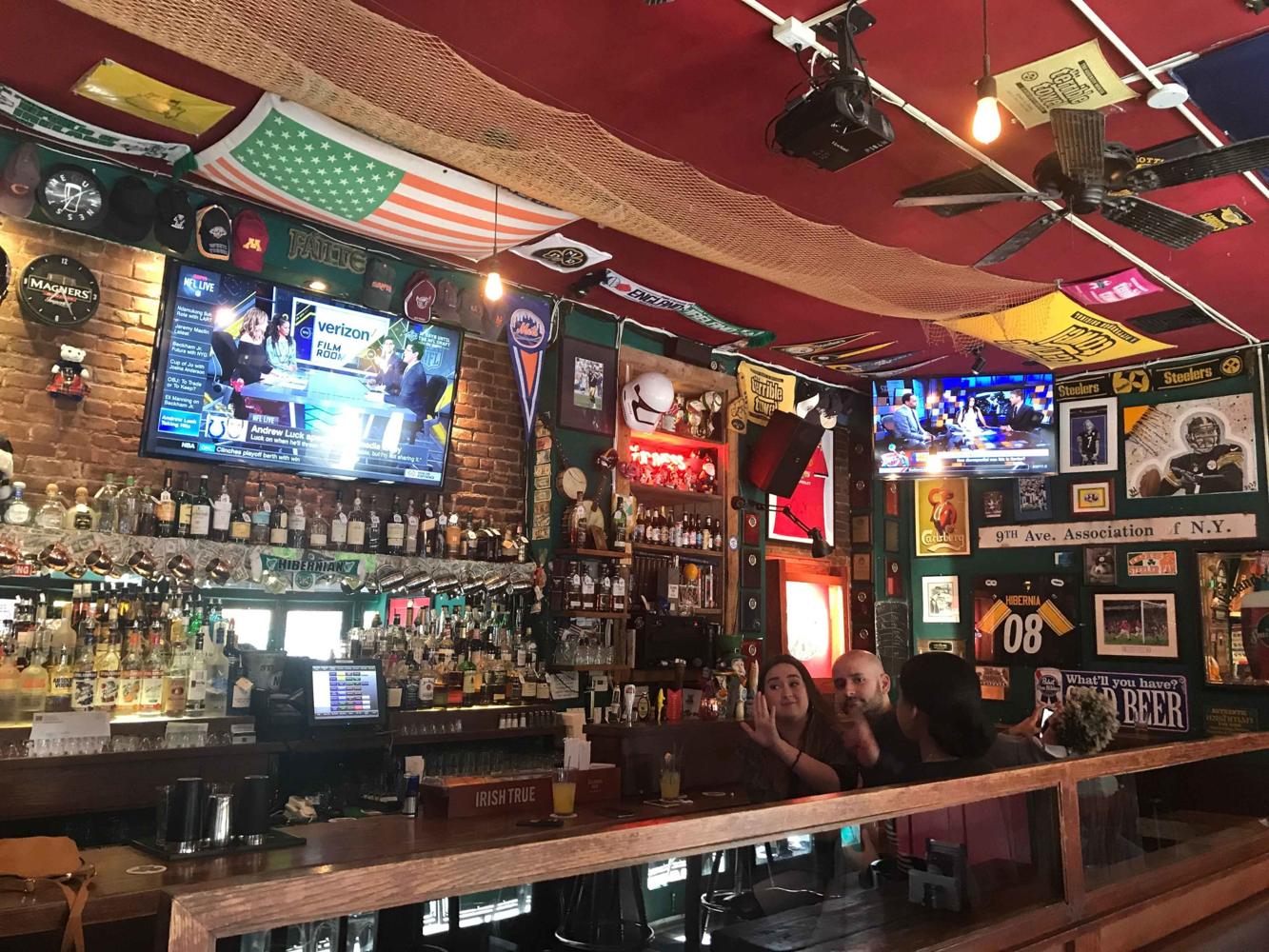
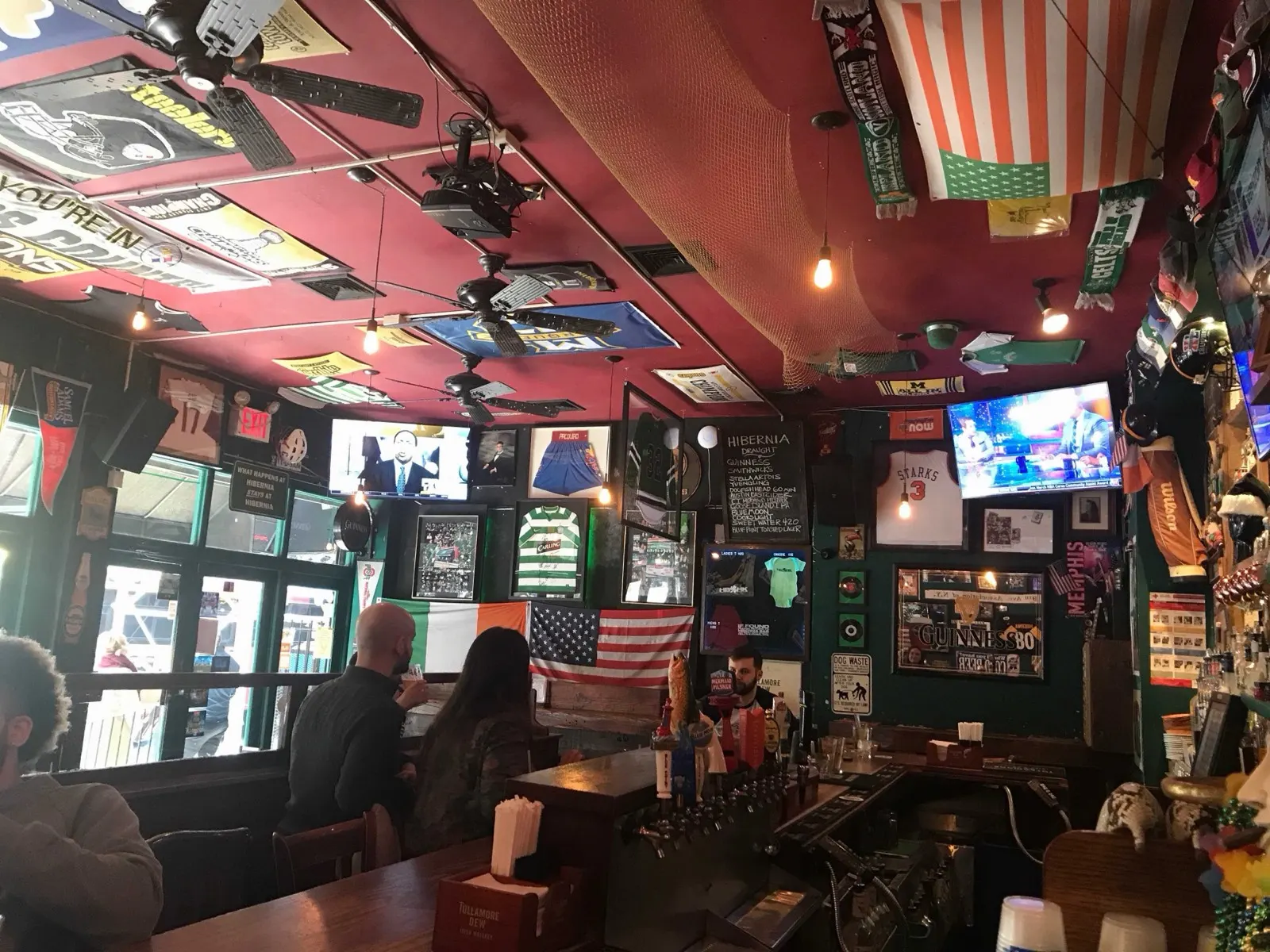
New York rewards curiosity, but it does not always reward obviousness. That is especially true when you are trying to enjoy Bar NYC the way locals do. Visitors often arrive with a short list of famous places, a few social media screenshots, and the assumption that the city’s nightlife is all velvet ropes, rooftop views, and impossible reservations. Sometimes it is. More often, the best nights happen in rooms that look unremarkable at first glance, where the lighting is low, the bartender remembers your second drink, and nobody feels the need to narrate the experience into a phone.
If you want to move through New York bars with more ease and less friction, it helps to understand the city’s rhythm. New Yorkers do not always chase the trendiest room. They care about timing, neighborhood fit, value, and whether a place can deliver the mood it promises. A packed East Village dive, a polished cocktail bar in the West Village, a long-standing Irish pub in Midtown, and a natural wine spot in Brooklyn all count as part of the same ecosystem. The trick is not finding the single best bar. It is learning how to choose the right bar for the hour, the company, and the energy of the night.
Start with neighborhoods, not hype
The quickest way to have a mediocre night in New York is to build it around one famous venue and ignore geography. The city is too large, too crowded, and too dependent on trains, cabs, and foot traffic for that approach to work smoothly. Locals usually think in neighborhoods first. If they are having dinner in the Lower East Side, they are likely to keep drinking somewhere nearby. If they are meeting friends after work in Flatiron or the West Village, they often settle into that area instead of crossing boroughs for a single cocktail.
This matters because each neighborhood tends to offer a different social texture. The East Village can feel younger, louder, and more casual, with plenty of bars where no one is trying too hard. The West Village leans more polished and expensive, but also more intimate if you know where to go. The Lower East Side still delivers energy and range, from scrappy beer-and-shot spots to thoughtful cocktail programs. Williamsburg and Greenpoint attract people who are willing to travel for a good room, good music, or a stronger sense of local identity. Midtown, despite its reputation, still has useful bars, especially for after-work drinks, old-school pubs, and convenient meeting points.
A local approach to Bar NYC usually begins with a simple question: where am I already going to be, and what kind of night fits that area? Once you start there, the choices get much better.
Understand the unspoken categories
New York bars are not just divided by drink style. They are divided by social purpose. That distinction is easy to miss if you are only looking at reviews or aesthetic photos.
A neighborhood dive is not trying to impress you. It is trying to make you comfortable enough to stay for three rounds. The stools may wobble, the beer list may be short, and the bathroom may test your commitment. Still, these places often produce the most relaxed nights in the city. If you walk in expecting craft perfection, you will miss the point. Order something simple, pay attention to the room, and let the place reveal itself.
A serious cocktail bar is different. Here, details matter. Ice, dilution, glassware, spirits selection, and bartender technique are part of the experience. In a good one, the staff can guide you toward a drink you might not have chosen for yourself. In a bad one, the room can feel like a performance of sophistication. Locals can tell the difference quickly. The good places feel precise without feeling stiff.
Wine bars occupy another lane entirely. They often work best for conversation, first dates, or a slower evening that might include a snack or a light meal. Beer bars, meanwhile, can range from sports-heavy and boisterous to quietly obsessive about draft lines and rotating taps. Hotel bars deserve mention too. Many tourists avoid them because they assume they are overpriced and generic. Some are, but the better ones offer a reliable seat, a competent drink, and a cross-section of city life that can be surprisingly entertaining.
When people talk about Bar NYC as if it were one thing, they flatten all of this nuance. Locals do the opposite. They match the bar type to the moment.
Timing changes everything
A bar that feels perfect at 6:15 p.m. Can become unbearable by 9:30. This is one of the most important lessons in New York nightlife. If you want to feel like a local, learn to think in time windows.
Early evening, especially on weekdays, can be ideal. Bartenders have time to talk. You can actually hear your companions. You have room to look around, settle in, and decide whether the place suits you. If the bar serves food, the kitchen is usually moving smoothly. This is when many New Yorkers do their best drinking, not because they lack stamina, but because they understand comfort.
Prime time on Thursday, Friday, and Saturday changes the equation. Popular bars fill fast. Walk-ins become uncertain. Service slows under volume. Noise rises. None of this means you should avoid those hours entirely, but it does mean you should be strategic. A local often has one of two plans. Either they get to the first place early and hold the night there, or they intentionally choose a less obvious spot where entry and service remain manageable.
Late night has its own rules. Some bars mellow out after the first rush. Others become louder, sloppier, and less appealing. There are places in New York that become more fun after midnight, but they tend to work because the room, the staff, and the crowd are built for it. Chasing that vibe randomly is risky.
Learn how to read the room in the first three minutes
The first three minutes inside a bar tell you almost everything you need to know. Locals assess quickly, often without making Bar NYC it obvious.
Look at the people, not just the decor. Are guests settled in, or are they hovering awkwardly with phones out? Are there solo drinkers at the bar, couples sharing a corner table, small groups that seem to have been there for an hour? That usually signals a place with a stable identity. If every party looks like it just arrived to document itself and leave, the room may be more scene than substance.
Watch the bartender’s posture. A calm bartender in a busy room is a good sign. Sharp eye contact, quick acknowledgment, and clean movements behind the stick usually mean the place is well run. You do not need warm conversation immediately. You do need competence.
Then listen. Not just to the music, but to the overall sound level. Some of the worst nights in New York happen in bars where everyone is forced to shout from the first sip. A local knows that high energy and bad acoustics are not the same thing.
Order in a way that helps you
People often overcomplicate drink ordering because they want to sound informed. Good bartenders would rather you be clear than theatrical. If you know exactly what you want, say it simply. If you do not, give useful guidance. Mention a spirit you like, whether you prefer something citrusy or stirred, how sweet you want the drink, and whether you are open to the bartender choosing for you.
This is where real local behavior differs from tourist behavior. Tourists sometimes order for the story. Locals order for the room. In a packed dive, asking for a fussy off-menu variation when the bartender is eight deep is a good way to advertise that you do not understand the setting. In a focused cocktail bar at a quieter hour, that same conversation can be welcome and even fun.
There is also no shame in ordering something basic. A cold lager and a shot can be exactly right. So can a classic martini, a neat bourbon, a gin and tonic, or a glass of Muscadet with oysters if the place is built for it. New York has enough performance built into daily life already. Your drink does not need to carry extra social burden.
The practical etiquette that locals notice
You do not need insider status to fit in. You just need decent instincts and a little situational awareness. New Yorkers are not as rude as outsiders claim, but they are impatient with avoidable friction.
Here are the habits that make a real difference:
- Know your order before the bartender gets to you, especially in a crowded room.
- Keep your group tight and out of walkways, doorways, and service lanes.
- Tip consistently and fairly, whether you are buying a beer or a complex cocktail.
- If a place is packed and you have finished your round, either order another or make space for others.
- Respect reservations, seating rules, and house style instead of trying to negotiate every detail.
That last point matters more than many people realize. Some bars are built around table service, some around standing room, some around bar seats that turn slowly. Fighting the design of the place almost never works. Flow with it, and your night goes better.
Reservations are useful, but flexibility is more valuable
A common mistake is assuming every worthwhile New York bar requires a plan weeks in advance. Some do take reservations, especially cocktail bars with seated service, tasting formats, or limited capacity. If you have your heart set on one of those, book it. There is no virtue in pretending spontaneity is superior when a reservation would spare you an hour of frustration.
Still, locals often keep options open. They know that weather changes crowds, subway delays alter timing, and one place can unexpectedly feel wrong the moment they walk in. Having a backup nearby is often smarter than clinging to a rigid itinerary.
A good rule is to build around one anchor, then let the rest of the evening breathe. Maybe you reserve a table for 7:00 p.m., then see where the mood goes. Maybe you start with a dependable neighborhood bar and add one more stop only if the energy is right. The city offers too much variety to spend the whole night forcing a plan that has already stopped working.
What to spend, and where value actually lives
New York drinking can get expensive fast. Anyone telling you otherwise is selling fantasy. But expensive and worthwhile are not the same thing, and locals get good at spotting the difference.
A beer and a shot special at a modest bar can still be one of the best value plays in the city, particularly if the room has personality and the pour is honest. A twelve to fifteen dollar glass of wine can feel fair if the list is thoughtful and the staff can guide you toward something interesting. Cocktails in many desirable neighborhoods now sit well above what visitors expect, especially once tax and tip are factored in. That can still be worth it if the drink is balanced, the atmosphere is strong, and you are paying for a complete experience rather than liquid alone.
The trap is spending premium prices in places that deliver nothing except scarcity and branding. Locals usually resent that. They will pay for skill, comfort, or a rare sense of occasion. They do not love paying for attitude.
Happy hour can help, though not every New York bar leans into it. Some restaurants with strong bar programs offer better early-evening value than dedicated nightlife spots. This is one reason the line between bars and bar seats inside restaurants matters less here than you might think. If the drink is good and the stool is comfortable, people will happily claim it as their bar for the night.
Bar NYCThe best nights are often quieter than expected
There is a fantasy version of New York nightlife that insists every memorable evening must involve a hot reservation, a famous address, and a crowd desperate to get in. Real life is usually gentler. Some of the best local nights begin with low expectations.
You duck into a place because the rain picks up. The martini is colder than you expected, the fries are excellent, and the bartender gives you a sharp recommendation for the next stop around the corner. Or you meet a friend for one drink and stay for four because the playlist is perfect and nobody is rushing you. Or you find a seat at a century-old pub where office workers, actors, tourists, and neighborhood regulars somehow create a room that feels unmistakably New York without trying to be.
That blend is the city at its best. Not polished beyond recognition, not messy for the sake of authenticity, just alive in a way that cannot be manufactured.
A few useful patterns for different kinds of nights
There is no universal blueprint, but certain approaches work repeatedly.
For a first visit to the city, it often makes sense to pair one well-chosen destination bar with one more casual fallback nearby. That gives you a centerpiece without trapping the evening.
For a date, quieter bars with strong lighting, comfortable seating, and a restrained music program are worth far more than flashy interiors. You want a place where conversation can gather momentum.
For a group, simplicity matters. Bars with easy beer service, clear standing room, and enough space to circulate tend to work better than tiny cocktail dens where every extra person becomes a burden.
For solo drinking, the bar seat itself matters most. Look for places where bartenders engage without hovering and where the crowd includes at least a few people comfortable being there alone. New York is one of the best cities in the world for solo bar time if you choose the right room.
How locals handle the crowded classics
Yes, some famous bars are worth visiting. The local move is not to avoid every celebrated place out of principle. It is to approach them intelligently. Go early, go on a weeknight if possible, and be honest about why you are there. If you want the famous martini, the legendary burger, the old wood paneling, or the sense of history, enjoy it. Just do not confuse cultural significance with guaranteed personal chemistry.
There are iconic bars in New York that remain excellent because they maintain standards under pressure. There are others that live mostly on reputation. The difference often comes down to whether the room still serves regulars, not just aspirational visitors. If a bar can welcome both, that is usually a healthy sign.
Service matters more in New York than people admit
Because the city is so crowded and fast, service quality shapes your night more dramatically than it might elsewhere. A gifted bartender can bring calm to a packed room. A careless one can sour even a beautiful bar in ten minutes.
Locals remember places where they are treated well, and they return. That treatment does not have to be chatty. In fact, New Yorkers often appreciate directness. What matters is whether staff know the menu, move with confidence, read the room, and respect your time. If they can do that while showing a little humor or warmth, even better.
This is also why regularity matters. Going back to a place changes the experience. The second or third visit is when a bar begins to open up. You understand where to sit, when to arrive, what to order, and how the room shifts across the night. The city starts to feel smaller in the best way.
If you want one local secret, it is this
The real local secret is not a password, hidden door, or impossible-to-find speakeasy. It is restraint. Know when to stay, when to leave, when to skip the line, when to settle for a simpler drink, and when to call the night a success before you ruin it with one more stop.
New York offers endless temptation to optimize everything. Better bar, better crowd, better cocktail, better story. Locals learn to resist that impulse. Once you are somewhere good, stay present. Order another round if the mood holds. Talk to the person you came with. Notice the old backbar, the speed of the shaker, the weird regular at the corner stool, the song you had forgotten you loved.
That is how Bar NYC becomes more than a checklist item. It becomes part of the city’s actual texture, which is what people are usually seeking in the first place, whether they know it or not.
Leave room for chance
A polished plan can help you start the evening well, but chance often finishes it better. The city still rewards wandering, especially if you have learned a few basics. Stay within a walkable area. Trust places that seem confident rather than desperate for attention. Favor bars with a clear identity over bars trying to be all things at once. And if a room feels wrong, leave quickly. New York gives you too many alternatives to waste an hour proving yourself right about a bad choice.
Locals are not locals because they know every hot spot. They are locals because they know how to move with the city instead of against it. They understand that a good bar night in New York is partly about taste, partly about logistics, and largely about reading context. Master that, and you do not need a special map. You just need a little patience, a little nerve, and the willingness to let the city meet you halfway.
Hibernia Bar
401 W 50th St
New York, NY 10019
(212) 969-9703
FAQ About Bar NYC
What is there to do in Hell's Kitchen, NYC?
Explore the restaurants and bars along Ninth Avenue, catch a Broadway show nearby, or visit the Intrepid Museum on the Hudson River. Hibernia Bar is at West 50th Street and Ninth Avenue, a convenient stop before or after a show.
What are some bars in New York City that serve good food?
Hibernia Bar in Hell's Kitchen serves wings, burgers, fish and chips, and shepherd's pie. Its kitchen lists a 2 a.m. closing time, which makes it an option for dinner after a show or a game.
How far is Hell's Kitchen from Times Square?
Hell's Kitchen is just west of Times Square. From Broadway and West 45th Street, Hibernia Bar is roughly 0.6 miles away, or about a 12-minute walk depending on crowds.